Multiple glass peptide research vials with stoppers arranged on a clean background for BPC-157 and TB-500 studies

The Tissue Architects: Understanding BPC-157 and TB-500

In the expanding landscape of experimental pharmacology and recovery research, two distinct synthetic compounds consistently dominate the conversation around tissue repair when you buy BPC-157 and TB-500.

While popular media frequently groups them together as a catch-all recovery stack, the scientific community treats them as entirely separate entities. They feature completely different chemical structures and operate through distinct biological pathways to repair the body.

This comprehensive article breaks down the molecular backgrounds, core mechanisms, and primary preclinical research fields defining these two regenerative peptides.

The Molecular Blueprints: Two Separate Foundations

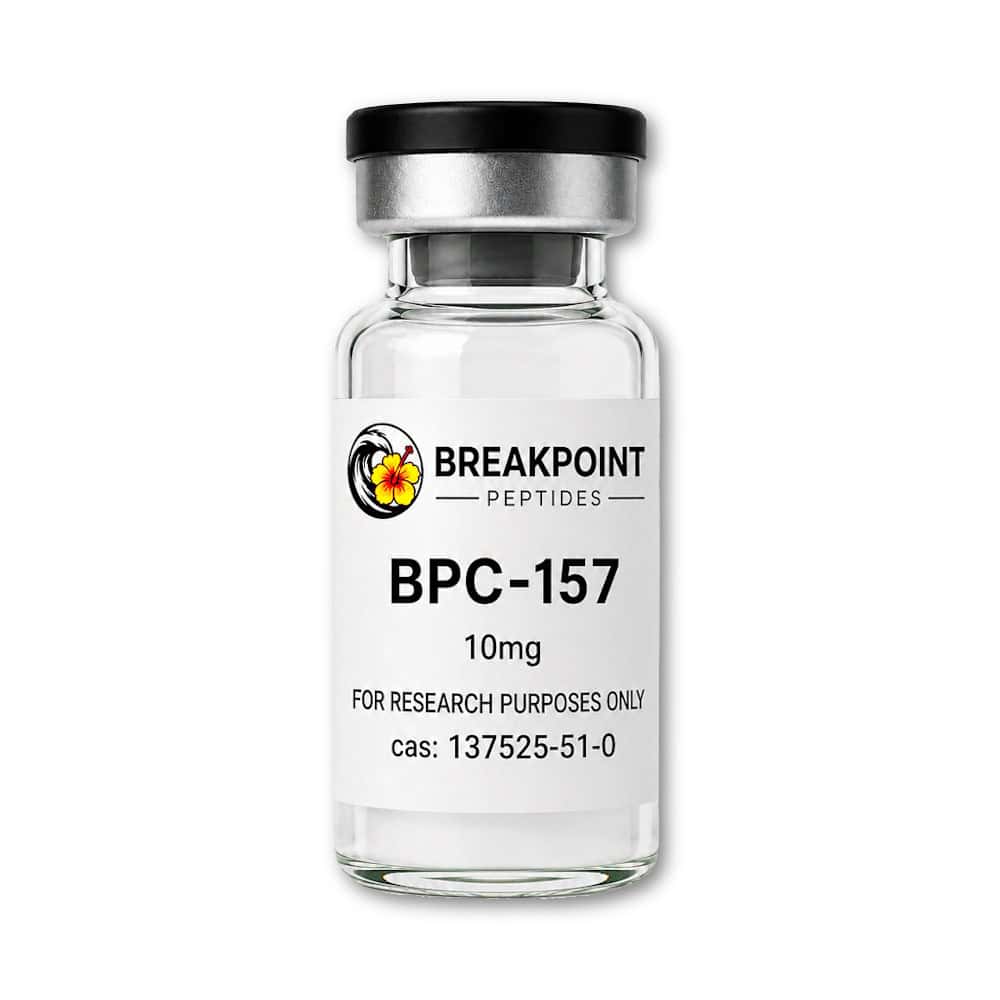
BPC-157 (Body Protection Compound-157)

  • The Gastric Origin: It is an isolated sequence derived from a protective protein natively found inside human gastric juice.
  • The Stability Edge: Unlike standard regulatory peptides that degrade almost immediately when exposed to internal biological fluids, BPC-157 is incredibly resilient. It easily resists degradation from harsh stomach acids and proteases, making it highly stable in vivo.
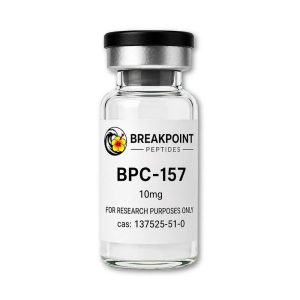
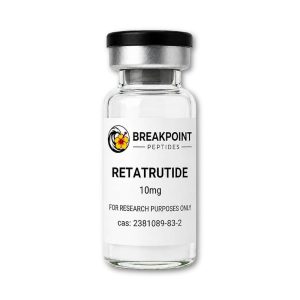
BreakPoint Peptides BPC-157 10mg research peptide vial
BreakPoint Peptide button to see the product listing when you click on it.

You can view the third-party tested Certificate of Analysis and Safety Data Sheet on our Lab Tests page.
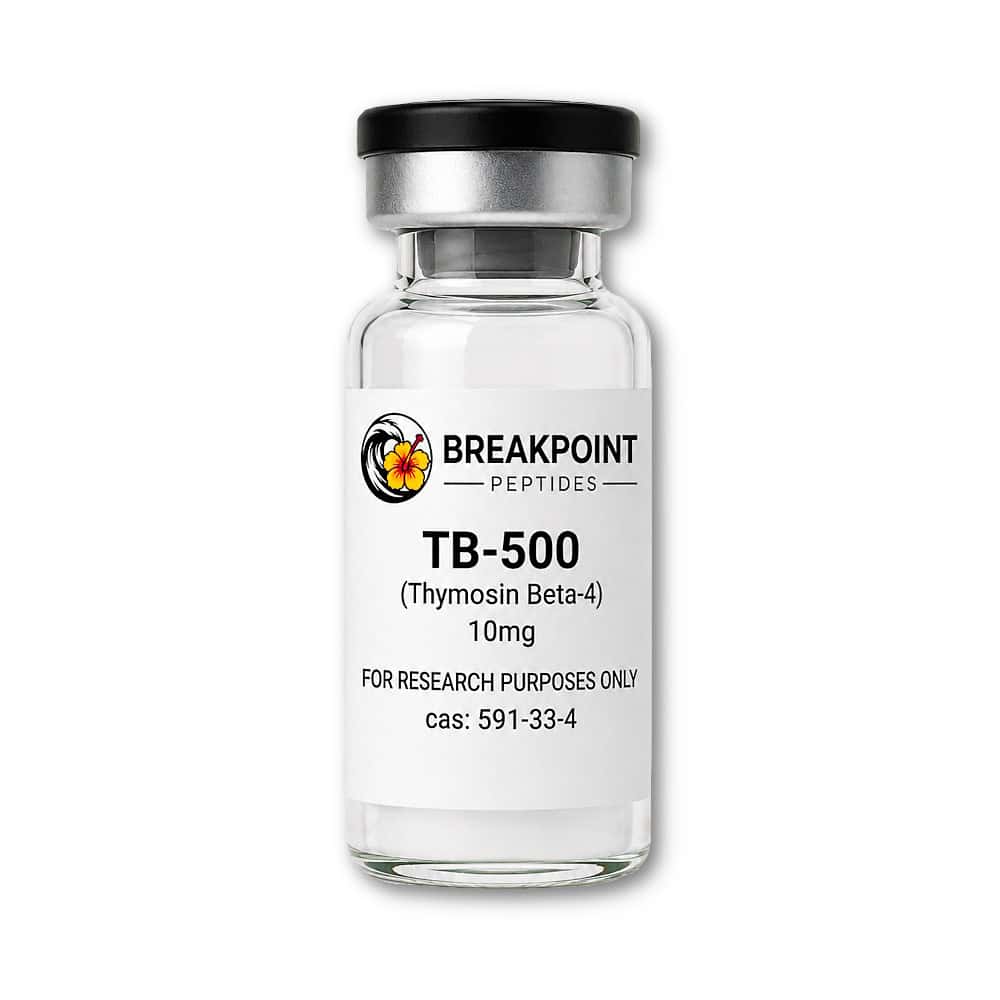
TB-500 (Thymosin Beta-4 Analog)

  • The Chemical Profile: TB-500 is a synthetic peptide that replicates the primary active domain of Thymosin Beta-4 (Tβ4). Tβ4 is a naturally occurring 43-amino-acid protein found in massive concentrations inside blood platelets, white blood cells, and wound healing fluids.
  • The Active Fragment: Specifically, TB-500 mirrors the active fragment known as Tβ4(17-23). This tiny, isolated region is entirely responsible for the parent protein’s ability to drive cell mobility and grow new blood vessels. It is synthesized specifically to achieve superior tissue penetration and maximize production efficiency over the full-length protein.
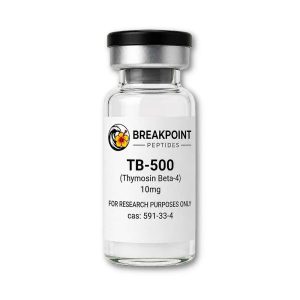
BreakPoint Peptides TB-500 Thymosin Beta-4 10mg research peptide vial
BreakPoint Peptide button to see the product listing when you click on it.

You can view the third-party tested Certificate of Analysis and Safety Data Sheet on our Lab Tests page.

Core Mechanisms of Action: How They Drive Healing

Though both peptides aim to accelerate structural recovery, they utilize entirely different cellular pipelines to get the job done:

BPC-157: Endothelial Balance and Growth Factor Upregulation

  • Balancing Nitric Oxide (NO): BPC-157 helps stabilize the cellular endothelium (the inner lining of blood vessels) by modulating nitric oxide pathways. It steps in to counteract vasoconstriction caused by NO synthase inhibition, while simultaneously dampening the tissue damage triggered by excessive nitric oxide overactivation. This keeps blood flow and vascular tone beautifully balanced at the site of an injury.
  • Upregulating VEGF: The peptide strongly kickstarts angiogenesis (the creation of new blood vessels) by prompting the upregulation of Vascular Endothelial Growth Factor (VEGF) and turning on the VEGFR2 signaling pathway, bypassing common inflammatory roadblocks to feed healing tissues.
  • Overcoming Poor Blood Supply: In dense connective tissues like tendons and ligaments, BPC-157 upregulates early growth response markers (such as Egr1 and TGF-β) while increasing growth receptors directly on fibroblast cells. This boosts cell migration and speeds up collagen synthesis, helping overcome the naturally poor blood flow that limits ligament recovery.

TB-500: Structural Remodeling and Cellular Migration

  • Monomeric Actin Sequestration: TB-500 behaves as the principal G-actin sequestering peptide inside eukaryotic cells. By binding to actin monomers in a strict 1:1 ratio, it prevents them from prematurely polymerizing into rigid filaments (F-actin).
  • Cytoskeletal Remodeling: By holding a fluid pool of actin monomers ready, the peptide allows cells to rapidly restructure their internal skeletons. This fluid remodeling is absolutely mandatory for allowing fibroblasts, keratinocytes, and endothelial cells to physically crawl across injured tissue zones to close wounds.
  • Clearing the Path (MMP Activation): TB-500 triggers the expression of Matrix Metalloproteinases (MMPs). These specialized enzymes gently dissolve components of the local extracellular matrix, clearing out biological clutter and carving out an open path for migrating repair cells to reconstruct tissue.

Technical Overview: Core Fields of Preclinical Research

To see how these two distinct mechanisms translate across different physiological injury models, review this technical benchmark comparison (converted from raw data fields):

BPC-157 – Soft Tissue Healing (Tendons, Ligaments, Muscle):

  • Key Biological Observations: Accelerates the structural recovery of Achilles tendons and ligaments; restores muscle output after crush trauma; promotes structured collagen alignment.

BPC-157 – Gastrointestinal Cytoprotection:

  • Key Biological Observations: Heals inflammatory bowel lesions, ulcers, and complex fistulas; protects the delicate gut mucosa from severe NSAID damage.

TB-500 / Tβ4 – Cardiovascular Repair and Cardioprotection:

  • Key Biological Observations: Promotes myocardial cell survival following oxygen deprivation; activates resident epicardial progenitor cells to support cardiac repair.

TB-500 / Tβ4 – Dermal Wound Healing & Ocular Repair:

  • Key Biological Observations: Accelerates re-epithelialization in deep burns and chronic wounds; repairs corneal injuries and subdues inflammatory cytokines.

Primary Arenas of Laboratory Investigation

Connective Tissue and Organ Protection (BPC-157)

Preclinical research of BPC-157 shows that it is uniquely effective at speeding up the recovery of detached or heavily torn Achilles tendons, collateral ligaments, and deep skeletal muscle tissue. In laboratory models, it significantly enhances the physical load-to-failure metrics and tensile strength of healing tendons.

Histology shows that it stops the creation of chaotic, non-functional scar tissue, arranging new collagen fibers in an orderly fashion instead.

Furthermore, because of its gastric juice lineage, BPC-157’s cytoprotective abilities throughout the gut are heavily documented. It helps repair deep skin-to-gut fistulas, gastric ulcers, and toxic lining damage caused by frequent NSAID pain medications.

This also helps stabilize the gut-brain-liver axis, offering protective downstream benefits for localized organ issues like liver fibrosis.

Heart, Skin, and Ocular Repair (TB-500)

Research into TB-500 and its parental protein showcases massive potential for cardiovascular repair following ischemic events like heart attacks.

Data indicates that Tβ4 preserves heart function and shields cardiac cells from undergoing apoptosis (programmed cell death) during acute oxygen deprivation. Crucially, it wakes up silent epicardial progenitor cells, directing them to migrate into ischemic heart muscle and transform into active blood vessels and fresh cardiac tissue.

On the surface, TB-500 drives rapid dermal repair. In deep burn and diabetic ulcer models, it accelerates wound closure, improves overall collagen deposition, and limits severe scarring.

In eye research, the peptide helps repair chemical burns and corneal injuries by downregulating destructive pro-inflammatory cytokines (such as TNF-α and IL-1β) while safely clearing out cellular debris from the ocular matrix.

Current Research Status and Guardrails

Preclinical Standing: The vast majority of data establishing the performance of both peptides is restricted to in vitro tissue cultures and in vivo animal models. Comprehensive, large-scale human clinical trial outcomes are still highly limited.

Regulatory Restrictions: Neither compound is currently approved for clinical therapy, medical intervention, or standard consumption by international regulatory groups like the FDA.

Strict Prohibitions: Both BPC-157 and Thymosin Beta-4 are officially placed on the World Anti-Doping Agency (WADA) prohibited substance list. They are classified strictly as experimental laboratory research chemicals restricted to analytical, chemical, and scientific investigation.

Disclaimer: This material is compiled strictly for educational, informational, and historical laboratory reference. Reviewing experimental compounds should always be performed within authorized laboratory safety parameters.

Premium Research Peptides For Sale

Enter your name and email to claim your Free Peptide Guide

Book cover for the 5 Most Popular Peptides research guide by BreakPoint Peptides

RESEARCH USE ONLY

All products offered on this website are intended for laboratory research, analytical, and in vitro experimentation purposes only. The products on this site have not been evaluated, approved, or cleared by the (FDA). They are not intended to diagnose, treat, cure, or prevent any disease or medical condition. By entering, you assume full and total liability for the handling, compliance, and legal use of any materials purchased. You agree to the Terms and Service of BreakPoint Peptides.